Salto de páxina. O libro de artista no século XXI (Santiago de Compostela)
Curated by Rocío Santa Cruz
21.10.2015 - 21.02.2016
Auditorio de Galicia. Santiago de Compostela
The only books that will be of interest to us in the future are those that can be regarded as works of art
Michel Butor, 1987
The artist’s book emerged in the second half of the 20th century, specifically in 1963, when Edward Ruscha produced the first edition of *Twenty-six Gasoline Stations*. From then on, the most avant-garde artists decided to use the book as a means of breaking with previous art forms, despite the paradox that it is a traditional medium of artistic expression.
For Ruscha, the fundamental characteristic of these books is their innovative spirit and their conception as works of art, recognising the book as an artistic entity in its own right and creating an independent genre, just as painting, sculpture and video had done before. This conception has endured to the present day and is one of the key legacies of the 1960s. It is the enduring nature of this legacy that ensures that now, in the 21st century, the book remains highly relevant. This stands in contrast to those who, twenty years ago, were already proclaiming its demise due to the advent of new digital media for text and images, which, in their view, doomed it to disappear. Perhaps, as Michel Butor stated in 1987, ‘The only books that will interest us in the future are those that can be considered works of art.’
This was the premise behind the launch in 2010 of ARTS LIBRIS, the international fair for artists’ books and contemporary publications. With the aim of stimulating the market and the creation of artists’ books, Banco Sabadell sponsors the ARTS LIBRIS / BANCO SABADELL Prize, which is dedicated to the acquisition of publications, and the AL Collection, which has also turned ARTS LIBRIS into a publisher, building up a significant international publishing catalogue year on year. The works published and awarded prizes over the years, alongside others from the Banco Sabadell Art Collection and the Arts Libris collection, form part of this exhibition.
This exhibition brings together exemplary works from the past decade, particularly the last five years, during which numerous young artists have devoted a significant part of their work to producing self-published works, making full use of the tools offered by digital technology – the very tools that so alarmed those who predicted the end of the book.
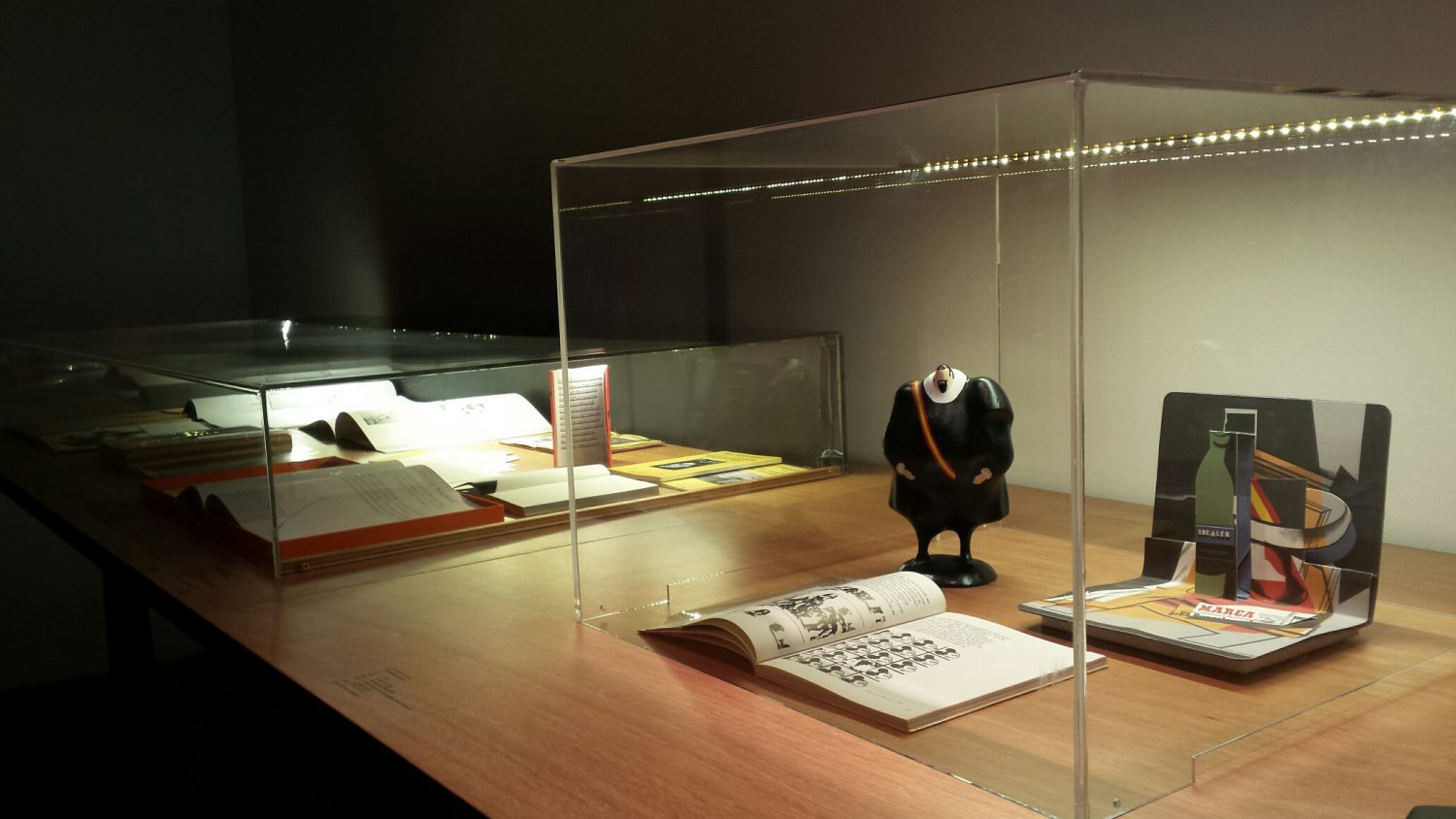
Books and publications by international artists form part of the exhibition’s four thematic areas: contemporary bibliophilia, the poetics of the book as object, the artist’s book and the photobook. Andy Warhol, Lawrence Weiner, Jaume Plensa and Jose Pedro Croft engage in a dialogue with the work of numerous young artists such as Cristina de Middel, Ricardo Cases and Simona Rota. A significant part of the exhibition consists of works by Galician artists such as Antón Lamazares, Leopoldo Nóvoa and Vari Caramés.
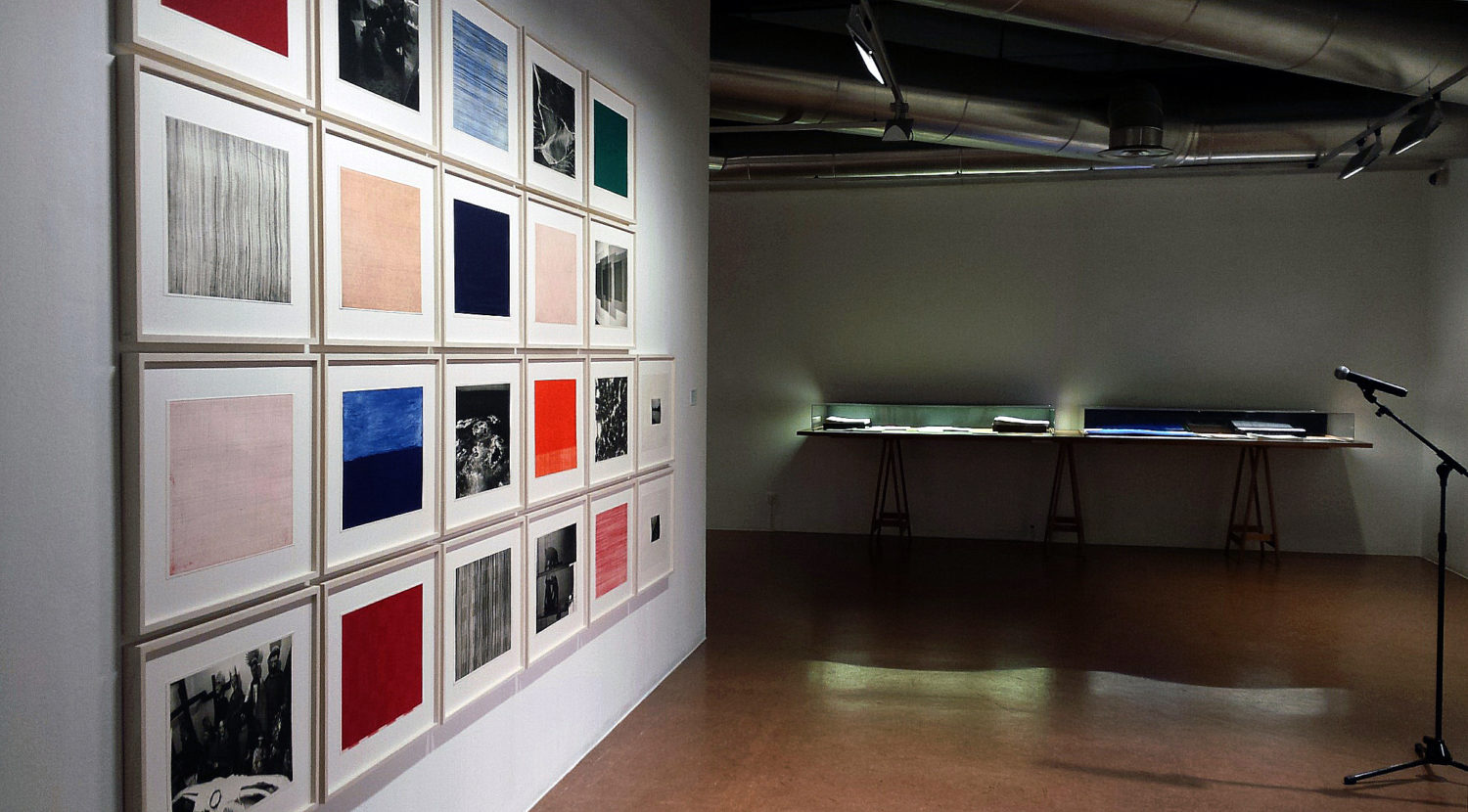
The book, as a work of art of the 21st century, is the creative realm in which this exhibition is situated, although many contemporary editions of artists’ books extend beyond the boundaries imposed by the format: they expand and encompass the infinite realm of art. For this reason, many of the artist’s books – and especially the photobooks in this exhibition – form part of a larger whole: a series, installation, manifesto or collection that continues along the walls of the galleries.
Butor’s future is our present. The new space of the book in the 21st century is not a limited, closed space: it is boundless and encompasses all disciplines; it is the space of freedom where all ART is represented.